Share Buttons

Showing posts with label HOME REMEDIES. Show all posts

Thursday, May 14, 2015

Dadi Maa Ke Nuskhe: Traditional Indian Home Remedies for Cold, Cough, Colic, Indigestion & Digestion


🌿 Dadi Maa Ke Nuskhe | Traditional Home Remedies Passed Down Through Generations

Long before modern medicine became a part of everyday life, Indian homes relied on age-old kitchen wisdom, herbs, spices and simple remedies lovingly passed down from grandmothers to mothers and then to children.

Many of these traditional remedies were prepared with ingredients already present in the kitchen - Bishop's weed, dill, ginger, nutmeg, tulsi, pepper, fennel and countless other healing herbs and spices that formed the heart of Indian home care traditions.

While these remedies were never considered replacements for medical treatment, they were often used for comfort, soothing relief and everyday wellness support.

Here are some traditional home remedies that have been followed in many Indian households for generations.


👶 STOMACH PAIN (COLIC)

Colic is one of the most common reasons babies cry continuously. 

Traditional wisdom often believed that untimely feeds or consumption of gassy foods by breastfeeding mothers could contribute to tummy discomfort in babies.

Traditional Dill Seed Remedy


If a baby below nine months appeared to have stomach discomfort, elders often recommended crushing about 10–15 dill seeds (Suva seeds) with a teaspoon of water. A few drops of mother’s milk were then mixed into this extract before administering very small quantities carefully.

Dill seeds have long been valued in Indian households for their soothing digestive properties.


🌿 CONSTIPATION

Constipation can make both adults and babies extremely uncomfortable. Traditional Indian remedies often focused on gentle, natural methods to ease bowel movement.

Traditional Remedies Often Used

  • A few drops of castor oil mixed with lukewarm water or mother’s milk were traditionally administered in very small quantities depending on age and severity.


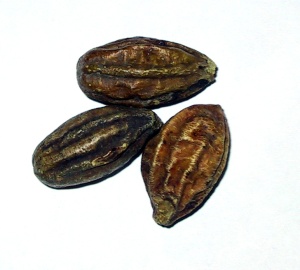
  • Chebulic Myrobalan (Harda / Kadukkai / Harithaki) has long been considered beneficial in traditional practices for relieving constipation.
  • Warm water consumed frequently through the day was considered helpful.
  • A fibre-rich natural diet including vegetables, fruits and whole grains was traditionally encouraged.
  • Isabgol (Psyllium Husk) mixed in water has also been commonly used in Indian households.


  • Water stored overnight in copper vessels was traditionally believed to help regulate bowel movement.


  • Applying a little coconut oil or castor oil around the anal region of babies was often done to ease discomfort during bowel movement.


🍋 NAUSEA

Traditional Indian kitchens often turned to lemon and ginger to ease nausea naturally.

Common Remedies

  • Lemon with a tiny pinch of black salt
  • Fresh ginger slices chewed slowly
  • Ginger-lime sherbet with black salt and a little sugar


These remedies were believed to soothe the stomach and refresh the senses.


🍽️ LOSS OF APPETITE

In Ayurveda, indigestion and appetite loss are considered deeply connected.

Traditional remedies used to stimulate appetite included:

  • Pomegranate juice with rock salt and honey
  • Buttermilk infused with mustard seeds, ginger, cumin and asafoetida
  • Indian gooseberry powder mixed with honey and ghee
  • Tamarind water with ajwain
  • Basil tea prepared with milk and cardamom
  • Cinnamon, fennel and coriander infused water

These preparations were traditionally believed to awaken digestion gently and naturally.


🌬️ FLATULENCE

Flatulence (Anaha in Ayurveda) was commonly associated with imbalance in digestion.

Traditional Remedies

  • Asafoetida dissolved in warm water
  • Lightly roasted fennel seeds chewed after meals

These were widely used in Indian homes to reduce bloating and gas.


🌿 INDIGESTION

Indigestion (Ajeerna) was traditionally believed to arise from irregular eating habits, overeating, stress or consuming heavy foods.

Traditional Remedies

  • Ajwain with rock salt and warm water


  • Asafoetida water
  • Mint oil in warm water
  • Fresh curry leaf juice with lemon and honey

These remedies were believed to help stimulate digestion and relieve heaviness.


💧 DIARRHOEA (LOOSE MOTIONS)

Known as Atisara in Ayurveda, diarrhoea can quickly lead to dehydration if fluids are not replenished.

Traditional Supportive Remedies

  • Whey or buttermilk in small quantities


  • Rice kanji with a pinch of salt


  • ORS or salt-sugar water for hydration


  • Cooked raw banana mash with poppy seeds


  • Pomegranate rind powder with buttermilk


⭐ NUTMEG — A Traditional Favourite


Nutmeg (Jaiphal / Jadhikkai / Jajikaya) has traditionally been regarded as one of the most valued home remedies for loose motions in both children and adults.

It was commonly believed to:

  • Help reduce loose motions
  • Calm the stomach
  • Promote restful sleep

Many Indian grandmothers considered nutmeg a staple in home remedy boxes.

Nutmeg (Jaiphal / Jadhikkai) has traditionally been used in tiny quantities in Indian home remedies for loose motions and digestion. However, nutmeg should always be used very carefully, especially for babies and young children, because excess nutmeg can be harmful.

🌿 Traditional Usage Guidelines (Very Small Quantities Only)

👶 Babies (Below 1 year)

Traditionally, only a very tiny smear or pinch of nutmeg paste was used.

Usually:

  • Nutmeg was rubbed lightly on a stone with a few drops of water or mother’s milk


  • Only a trace amount of the paste was given

⚠️ Babies are extremely sensitive to nutmeg. Never give large quantities.

🧒 Young Children

Traditionally:

  • A small pinch mixed in warm water, honey (for children above 1 year only), or milk

Only once or twice a day in very small quantities.

🧑 Adults

Adults traditionally consumed:

  • A small pinch mixed in warm water, milk or honey

Again, only in moderation.

⚠️ Important Safety Note

Excess nutmeg can cause:

  • dizziness
  • nausea
  • vomiting
  • drowsiness
  • hallucinations
  • rapid heartbeat

Especially in babies and small children, even moderate excess can be dangerous.

Loose motions in babies and children can quickly lead to dehydration, so persistent diarrhoea, fever, vomiting or lethargy should always be medically evaluated.


🌿 SORE THROAT

Traditional remedies for sore throat often included warm herbal gargles and soothing decoctions.

Common Remedies

  • Ajwain water gargle with salt
  • Fenugreek seed gargle
  • Cinnamon decoction with pepper and honey


These remedies were traditionally used to soothe throat irritation and discomfort.


🤧 COLD AND COUGH

Cold and cough remedies form a very important part of traditional Indian household care.

One commonly prepared remedy is Kashayam — a warm herbal tonic made fresh daily.


🍵🌿 Traditional Kashayam Recipe🍵


Ingredients

  • Tulsi (Holy Basil) – 8 to 10 leaves
  • Karpooravalli / Ajwain leaves – 1 to 2 leaves
  • Ajwain seeds – 1 teaspoon
  • Cumin seeds – 1 teaspoon
  • Dill seeds – 1 teaspoon
  • Fennel seeds – 1 teaspoon
  • Peppercorns – 3 to 4

Method

Boil all ingredients in 4–5 glasses of water until the flavours and herbal essence infuse well into the water.

Allow it to cool slightly until warm.

A little honey may be added for older children and adults for soothing relief.

Traditionally, this warm kashayam was given through the day for relief from phlegm, cold and cough.


🌿 CHEST WARMING FOR BABIES

Traditional Indian households also followed gentle warming techniques for babies suffering from cold and chest congestion.

Warm betel leaves or softly heated cotton cloth balls were gently placed on the chest and back to provide warmth and comfort.


Care was always taken to ensure the temperature was mild and safe for the baby’s delicate skin.


🌿 A Note From Traditional Indian Homes

These remedies reflect the wisdom and nurturing traditions of generations gone by. They remind us of a time when kitchens were also healing spaces and grandmothers were often the first caregivers at home.

While many of these remedies continue to be followed lovingly even today, every individual’s body and health condition is different.


#SukanyasMusings #DadiMaaKeNuskhe #Paativaidyam #TraditionalRemedies #IndianHomeRemedies #Ayurveda #NaturalHealing #GrandmasRemedies #IndianKitchenWisdom #HomeRemedies #HolisticHealth #DigestiveHealth #ColdAndCough #Kashayam #HerbalHealing #NaturalWellness #TraditionalIndianWisdom #HealthyLiving #IndianHerbs #AyurvedicLifestyle


DISCLAIMER : HOME REMEDIES ARE JUST SUPPLEMENTARY APPROACHES. ALWAYS SEEK A QUALIFIED PHYSICIAN'S ADVICE FOR ANY ILLNESSES.

Saturday, May 10, 2014

Home Remedies for Mouth Ulcers and Swollen Gums in Babies & Toddlers | Natural Remedies for Mouth Sores

HOME REMEDIES FOR MOUTH ULCERS AND SWOLLEN GUMS IN TODDLERS & BABIES

பாட்டி வைத்தியம் | Dadi Maa Ke Nuskhe

Mouth ulcers and swollen gums are not just painful for adults — even toddlers and babies can suffer from them. Tiny ulcers inside the mouth, swollen gums, teething discomfort, or infections can make little ones irritable, cranky, and unwilling to eat or drink. Sometimes, it may even lead to bad breath and disturbed sleep.

As mothers and grandmothers, we often turn to gentle traditional remedies that can provide temporary soothing relief before consulting a doctor. These simple home remedies have been lovingly followed in many Indian households for generations. While they may help comfort the child, they should never replace proper medical advice or treatment.

Gentle Home Remedies That Can Be Tried

Breastfeeding

If you are breastfeeding your baby, continue to do so frequently. Breast milk is naturally soothing and may help comfort and heal mouth ulcers gently.
(For Babies & Toddlers)

Coconut Milk Application

Fresh coconut milk can be gently applied inside the mouth and on the gums during the daytime. Its cooling and soothing nature may help reduce irritation and discomfort.
(For Babies & Toddlers)

Warm Salt Water Rinse

Mix salt in warm water and use it as a mouth rinse. Traditionally, a slightly stronger salt concentration is used — about 3 tablespoons of salt in one glass of warm water. Gargle and allow the water to remain in the mouth for about 30 seconds before spitting it out. Swishing the water around the gums and teeth thoroughly may help provide relief. Avoid rinsing immediately with plain water afterward for longer-lasting comfort.
(For Toddlers Only)

Maintaining Oral Hygiene

If your toddler frequently suffers from gum swelling or infections, maintaining oral hygiene becomes extremely important. Instead of using a toothbrush initially, gently clean the teeth and gums using your forefinger. Ensure that your fingernails are neatly trimmed before doing so. Encourage rinsing the mouth after every meal and maintain good oral hygiene habits from an early age.
(For Toddlers Only)

When to Visit the Doctor

If the swelling persists for more than a couple of days, if the child refuses food completely, develops fever, cries excessively, or appears very uncomfortable, consult a pediatrician or dentist immediately and follow the prescribed treatment.

The tender care of a mother, combined with simple traditional remedies, often brings great comfort to little ones. Yet, wisdom also lies in knowing when professional medical care is needed.


DISCLAIMER : "HOME REMEDIES ARE JUST SUPPLEMENTARY APPROACHES. ALWAYS SEEK A QUALIFIED PHYSICIAN'S ADVICE FOR ANY ILLNESSES."


#MouthUlcers #SwollenGums #BabyCare #ToddlerCare #HomeRemedies #NaturalHealing #DadiMaaKeNuskhe #PattiVaidyam #MouthSores #BabyHealth #ToddlerHealth #OralCare #ParentingTips #TraditionalRemedies #AyurvedicHealing #HomeRemedy #SukanyasMusings #NaturalCare #IndianHomeRemedies #HealthyLiving

Friday, March 8, 2013

PUNJABI CHAI MASALA / PUNJABI TEA SPICE POWDER

PUNJABI CHAI MASALA / PUNJABI TEA SPICE POWDER
I would like to share this wonderful and healthy chai masala recipe that I got from my Punjabi friend here in Singapore.
Being born and brought up in the state of Maharashtra I learnt to savor tea infused with spices known as “Masala Chai”(Tea infused with spices) back in Mumbai.
The spice mix would always manage to give a punch to the otherwise normal cup of tea.
So when it’s raining and we are totally drenched or having a cold we would always go for a ginger laced tea or Masala tea.
Even the street stalls and restaurants serve the masala chai, its commonly available in India.   
What totally surprised me was when I found a version of the Masala chai at the McCafe at Singapore known as the Himalayan Tea Latte - A hot and calming exotic milk tea with a soulful infusion of spice flavor. They claim it to be a hot favorite. I nudged Yo (my husband) and pointed to the Menu feeling proud to find our Masala chai being internationalized and described so beautifully.
So what should be the ideal mix of spices one may ask.
The spices vary according to the place, the climate conditions in a particular region and sometimes due to personal preferences. But a typical Indian tea masala includes a combination of the following spices like cinnamon, cardamom, cloves, ginger and peppercorns. They may also include Bishops weed, fennel seeds and other variants in some recipes.
Ideally if the spices are ground fresh and added to the tea it would taste good, But, since I belong to the generation which hardly has time for such luxuries. I made my tea masala for keeps. I made a small batch which I could use over a period of a month.
The spices in the tea masala are known to aid in digestion, provide heat during cold weathers like winters or rains, they are believed to chase a fever or cure a cold.
I believe that they are soothing and refreshing and add a zing to your regular cuppa.
My friends recipe doesn’t have peppercorns, but mine has.
Here is my recipe for Punjabi Tea masala, do make it and savor your tea with the soulful infusion of the spices.

Ingredients
Cinnamon stick – 1 whole stick
Big Cardamom (Badi Elaichi) – 3
Small Cardamom (Choti Elaichi) – 10-12
Cloves (Lavang/Laung) – 3-4
Dried Ginger (Saunth / Soonth) – 1 piece or alternatively you can use the ginger powder about 1 and a half tablespoon.
Bishop’s weed (Ajwain) – a pinch
Black peppercorns – 5-6
Fennel seeds(Saunf) – 1 tablespoon

Method
Dry roast all the ingredients for 7-8 minutes until you can get a faint aroma of the spices. Let it cool completely. Once it is cool run it in the dry jar of a mixer/blender and grind into a fine powder. Cool completely and store in an air-tight container. Use the masala as and when required to make tea.

Indian Masala Tea
To make 2 cups of Masala tea. Boil 2 cups of water in a pan. Add sugar, Tea leaves and the powdered masala and let it come to a boil. Once it starts boiling, add some milk and let it boil for a couple of minutes. Strain and serve piping hot.


Enjoy this with some biscuits while catching some news in your morning newspaper.

Tuesday, March 3, 2009

Home Remedies for Mouth Ulcers | Natural Remedies for Mouth Sores, Pain & Canker Sores


🌿 Dadi Maa Ke Nuskhe | Traditional Home Remedies for Mouth Ulcers

Mouth ulcers — also known as canker sores — may look small, but anyone who has suffered from them knows just how painful and uncomfortable they can be.

Sometimes they appear inside the cheeks, on the tongue, gums or inner lips, making even simple activities like eating, drinking or speaking extremely difficult.

In many Indian homes, these painful ulcers were often treated first with simple kitchen remedies lovingly suggested by mothers and grandmothers before rushing to medicines.

Traditional wisdom believed that mouth ulcers could be triggered by:

  • Excess body heat
  • Stress and lack of sleep
  • Vitamin deficiencies, especially Vitamin B complex
  • Spicy or acidic foods
  • Antibiotics or strong medications
  • Viral infections
  • Poor digestion or stomach disturbances
  • Minor injuries inside the mouth

And just like every Indian kitchen had its own remedy for cough or indigestion, mouth ulcers too had many comforting home remedies passed down through generations.


🌿 Traditional Home Remedies for Mouth Ulcers

🥣 Cooling Foods & Simple Diet

When mouth ulcers appear, traditional advice was always to avoid:

  • Very spicy food
  • Hot tea or coffee
  • Excessively oily or acidic foods

A soothing diet of:

  • soft rice mixed with cold yogurt
    and
  • a small pinch of salt

was often recommended until the ulcers healed.

A balanced diet, proper sleep and stress reduction were also considered very important.


🧂 Salt Water Rinse

One of the oldest and most common remedies was gargling with warm salt water.

Traditional Method

  • 2 teaspoons salt
    mixed in
  • 1 cup lukewarm water

Gargle several times a day.

Though it may sting briefly, it was traditionally believed to help cleanse the ulcers and speed healing.


🌿 Turmeric Gargle

Turmeric has long held an important place in Indian healing traditions.

Traditional Remedy

Mix:

  • 1 teaspoon salt
  • ½ teaspoon turmeric powder

in lukewarm water and gargle 3–4 times daily.

This remedy was commonly followed for its soothing and cleansing properties.


🌿 Tulsi (Holy Basil) Remedy

Tulsi is deeply revered in Indian households not just spiritually, but also for wellness traditions.

Chewing:

  • 4–5 Tulsi leaves

with a little water several times a day was traditionally believed to:

  • soothe mouth ulcers
  • freshen breath
  • cool the system naturally

🥥 Coconut Remedies

Coconut-based remedies are among the most comforting traditional treatments for mouth ulcers.

Coconut Chewing Remedy

Small fresh coconut pieces were chewed slowly until the coconut milk released into the mouth.

Many grandmothers believed this helped soothe the ulcers naturally.

Coconut Milk & Honey

Applying:

  • coconut milk mixed with honey

3–4 times a day was also a commonly followed home remedy.


🌿 Turmeric & Glycerine Paste

A simple paste made with:

  • turmeric powder
    and
  • glycerine

was traditionally applied gently over the ulcers for relief.


🌿 Mint (Pudina) Remedy

Mint is traditionally considered cooling for the body.

Chewing:

  • 2–3 mint leaves

2–3 times a day was believed to help reduce heat and soothe irritation.


🌿 Aloe Vera Remedy

Fresh aloe vera gel blended with a little distilled water was traditionally swished around the mouth for relief from ulcers and throat irritation.

Aloe vera has long been valued for its cooling and soothing properties.


🌿 Coriander Seed Gargle

Boiling:

  • 1 teaspoon coriander seeds
    in
  • 1 cup water

and gargling once warm was another traditional household remedy.


🌿 Amla (Indian Gooseberry)

Amla has always been treasured in Indian wellness traditions.

A paste made from Indian gooseberry was traditionally applied gently over ulcers for soothing relief.


🌿 Peppermint Oil

Application of peppermint oil in very small amounts was traditionally believed to ease:

  • pain
  • irritation
  • burning sensation

associated with mouth ulcers.


🌿 Baking Soda & Lemon Remedy

Some traditional remedies also included:

  • baking soda
    and
  • lemon juice

for relieving oral ulcers and reducing discomfort.


🌿 Apple Vinegar Gargle

A diluted solution of:

  • 1 teaspoon apple vinegar
    mixed with
  • half a cup of water

was sometimes gargled several times a day.


🌿 Alum Remedy

Alum has been used traditionally in many Indian households for mouth ulcers.

A tiny amount applied carefully with cotton on the affected area was believed to help dry and heal the ulcers faster.


🌿 A Gentle Reminder From Indian Kitchens

Many of these remedies were simple household traditions followed with care and patience. Some focused on cooling the body, some on cleansing the mouth, and others on soothing irritation naturally.

Every home had its own version, and every grandmother had her trusted remedy.


DISCLAIMER : "HOME REMEDIES ARE JUST SUPPLEMENTARY APPROACHES. ALWAYS SEEK A QUALIFIED PHYSICIAN'S ADVICE FOR ANY ILLNESSES."


#SukanyasMusings #DadiMaaKeNuskhe #Paativaidyam #MouthUlcers #HomeRemedies #IndianHomeRemedies #NaturalHealing #TraditionalRemedies #Ayurveda #Tulsi #Turmeric #AloeVera #CoconutRemedy #IndianKitchenWisdom #HolisticHealth #GrandmasRemedies #NaturalWellness #HealthyLiving #MouthUlcerRelief #HerbalHealing


Tuesday, January 15, 2008

COMMON HERBS THAT ARE A MUST IN A JANAM / BAL GHUTTI / ORAI MARUNDHU

JANAM GHUTTI / ORAKYARA MARUNDHU /HOME REMEDIES (NAATU VAIDYAM / PAATI VAIDYAM & AYURVEDA)
Please read my earlier post on Janam ghutti / Orakyara marundhu by clicking on the link below.


In India all new born babies are given some herbs (These herbs refer to Naatu Vaidyam , Ayurveda or common herbs/spices easily found in the kitchen)
Most of these home remedies are safe and harmless but it's always best to consult your doctor if you are in doubt.

Common Herbs that "must" form a part of the JANAM GHUTTI (FOR BABIES /TODDLERS) are :-

CHEBULIC MYROBALAN (TERMINALIA CHEBULA) - also known as harda or pilehar in Hindi, kadukka in Malayalam, Kadukkai in Tamil, kadukar or karakaya in Telugu, harithaki, pathya, sudha or poothana in Sanskrit.
Terminalia-chebula-Haritaki
- It helps in improving appetite, preventing constipation.It is used as a precaution for common cold.


NUTMEG (JAIPHAL / JADIKKAI)
- It aids in digestions and improves appetite.
- It induces sleep


SUKKU (DRY GINGER)
- It prevents flatulence, bloating of stomach, indigestion and vomiting. Many infants suffer from    Gastric Pain (colic). A small dosage of Sukku will relieve the babies from pain.
- Pain in the chest due to Cough
-  It helps improve Apetite.

MASIKAI 
Gall -Oak or Nut-gall

- Solves gas problem and helps the baby get good sleep.


VASAMBU 
Acorus Calamus or Sweet Flag
Sanskrit- Vachha, Hindi -Vasaka


- It aids in digestion and prevents vomiting.
- It prevents all kinds of infections .It is also a natural insecticide, so place it near your baby to avoid insects.


ATHIMADHURAM (INDIAN LIQUORICE)
Latin name:Glycyrrhiza glabra, Telugu:Athimadhuramu, Hindi:Mulethi/Muleti
Sanskrit:Yashtimadhu,Yashtimadhuka


- It helps in  Cough, cold, congestion, thirst, sore-throat, throat irritation & body heat


THIPPILI
Piper longum
- It helps in Cough, Cold, Dry Cough, Gastric Problem, Tuberculosis, Aasthma


CHITHARATHAI
Alpinia officinarum . Also known as "Kulanjan" in Hindi.
This belongs to the ginger family and it is called "Lesser Galangal"


- Cough, Cold, Congestion in the Chest, Fever, Gastric & Wind. 


WHEN'S THE BEST TIME TO ADMINISTER THE GHUTTI

I used to give Janam ghutti to my babies immediately after they have their bath followed by some warm water.  If it’s very warm due to summers, you can use normal water at room temperature. Babies usually feel thirsty after a hot/warm bath. They happily take the ghutti and water followed by some breast milk and they have a peaceful post-bath sleep.

An Exception of Nutmeg: – An exception will be Nutmeg which can be given at night again if your baby does not have a proper sleep. Rub pure nutmeg on a stone with some water and give your baby a 1/4 tsp of the paste followed by some warm bottled milk /breast milk. Nutmeg has sedative properties and works as a natural sleep aid. Do this about half an hour before bed time. Nutmeg is totally harmless. Good sleep promotes healthy growth in babies. The night dose of Nutmeg is preferably given only if your baby has a disturbed sleep or doesn’t like to sleep at night.

How to give
Rub whole herbs/sticks on a stone with a little water and administer them.
Rub a little of all the above herbs. It will sum to a tablespoon of herbal paste. This can be given directly to the baby or you can add a bit of honey if the baby doesn’t like the taste.

*** With regards to honey, kindly consult your doctor before you give honey. Also if you are giving honey, please buy a good quality honey for your babies. Store it safely. One of the readers did warn me about botulism with regards to honey. 
Honey has been given to babies in my family since ages and it's tried and tested on my babies too...It's safe but every baby may have a different constitution, some may have a weak immune system....so, better consult your doctor, if your baby is below 1 year old. 


How to Store the herbs
Always buy your herbs fresh. But in case you can't source them in the place where you live then you store them in airtight glass jars or in airtight plastic bags.
Once in a way dry them in the sun and once they are back to room temperature, store them back.
In case there is no much sun in the place where you live either lightly dry roast it in a wok on a small flame or heat it in the microwave for a minute or 2 and once they are back to room temperature, store them back. Don't store them when they are hot as they will sweat and get fungus. Keep checking your herbs once in a way in case of storage so you can save them and have a longer shelf life. Herbs can last for a long time and can be used safely unless they get bugs in them.


DISCLAIMER : "HOME REMEDIES ARE JUST SUPPLEMENTARY APPROACHES. ALWAYS SEEK A QUALIFIED PHYSICIAN'S ADVICE FOR ANY ILLNESSES."

Thursday, January 10, 2008

JANAM GHUTTI / BAL GHUTTI / ORAIKYARA MARUNDHU /ORAI MARUNDHU


JANAM GHUTTI / BAL GHUTTI / ORAIKYARA MARUNDHU /ORAI MARUNDHU
Janam Ghutti is a mix of herbs given to babies traditionally in India. It has been used for generations together.  Janam Ghutti is completely herbal and so safe to use.
Although Janam Ghutti's are manufactured by various Ayurvedic pharmacies, I still suggest actually rubbing the herbs on a stone as they are fresh and more effective.
Nowadays, the pediatricians do not recommend giving Janam ghuttis, but I beg to differ as I have given both my kids janam ghutti and always felt that my children had fairly less issues growing up compared to babies their age who were not been given janam ghutti or been administered store bought janam ghutti. This is tried and tested.

Janam Ghutti helps by -:

  • Improving the appetite
  • Improves the digestive function
  • Helpful in flatulence, diarrhoea, dysentery, vomitting, acidity & indigestion
  • Better bowel movement for kids who are constipated
  • Aids in sleep.

Our Grandmother's (Dadi Maa / Paati) in those days used to administer safe things from their kitchen or herbs from their garden. These herbs were edible and safe and used to cure a multitude of illnesses without having to visit the doctor or buying expensive medicines which have chemicals with side effects.
The modern drugs definitely help but also have many contraindications & side effects. 
Living in Singapore and absolutely scared to feed my babies with so many drugs I turned to home remedies and have found them most effective not only for my babies but also for me. Many of my friend's and relatives found relief too. Hence, I decide to blog on it for the benefit of the larger audience. 
I would highly recommend giving babies janam ghutti instead of feeding them multivitamin syrups. You can still continue to give them multivitamin syrups as well.
Giving your babies Janam ghutti can help relieve them from a lot of uneasiness which the poor babies can’t express to us.

How to buy them
You can get these Janam ghutti starter kits at your nearest Ayurvedic shops. 
Don’t go for the powder form to beware of adulteration's. 
Always buy the whole herbs/sticks etc. 

How to Administer Janam Ghutti
Rub whole herbs/sticks on a stone with a little water and administer them. 
I used to give Janam ghutti to my babies immediately after they have their bath followed by some warm water.


Where to buy them
These herbs are harmless and safe to administer.
In Tamilnadu, you can find them in the traditional dappa chetti kadai (Ayurvedic and Herbal medicines shop).

In other states of India, you can find them in the Ayurvedic bhandaar (Ayurvedic shops)

In Singapore, you can find common herbs at Mustafa and for more varieties you can visit Jothi Pushpa Kadai(Jothi Flower shop) @ Little India.

In other countries too, you can find them. People who read this article please help refer to shops in other countries for the benefit of the larger audience. Please leave the info in the Comments section. I will later add it to the Post.

I have more information on janam ghutti/oraikyara marundhu on my blog. Click here for more info


DISCLAIMER : "HOME REMEDIES ARE JUST SUPPLEMENTARY APPROACHES. ALWAYS SEEK A QUALIFIED PHYSICIAN'S ADVICE FOR ANY ILLNESSES."

Friday, September 14, 2007

Prasava Podi | Prasava Powder Recipe | Traditional South Indian Postpartum Herbal Powder


PRASAVA POWDER

There are certain traditional recipes that quietly carry the wisdom of generations, and Prasava Powder is one such treasured preparation. In many South Indian homes, especially after childbirth, this nourishing herbal powder is lovingly prepared for new mothers to help rebuild strength, aid digestion, improve recovery, and bring warmth back into the body.

Made with a beautiful blend of roasted spices, herbs, medicinal roots, and traditional ingredients, this powder is deeply aromatic, earthy, and comforting. It can be mixed with hot rice and a generous drizzle of ghee for a wholesome meal, or simply consumed with warm water every morning.

The beauty of these old remedies lies not only in their healing properties, but also in the love and care with which they were prepared by our grandmothers. Simple, nourishing, and rooted in tradition, this is truly food as medicine.

Ingredients

Coriander seeds – 1/2 cup
Pepper – 2 tsps
Cumin seeds – 2 tsps
Thippili – 1 tbsp
Jathipatri – 1 tbsp
Nannari – 1 tbsp
Dry red chillies – 4
Dried neem flowers – a handful
Dried ginger – a small piece
Sundakkai – 10 to 12
(You can use the salted vattal available in the market and fry lightly)

Manathakkali – 10 to 12
(You can use the salted vattal available in the market and fry lightly)

Asafetida – 1 big lump
Curry leaves – 1/2 cup
Salt – as per taste

Method

Dry roast the dried neem flowers in a pan without oil until they turn a deep reddish brown. Remove and keep aside.

In the same pan, fry the asafetida and curry leaves until aromatic and lightly browned. Roast all the remaining ingredients separately until they release a rich aroma and turn a lovely reddish brown colour.

Heat the salt lightly until it splutters vigorously. Do not over-fry or blacken it. This traditional step enhances the flavour beautifully and allows you to use less salt while still achieving a robust taste.

Allow all the roasted ingredients to cool completely. Blend everything together in a dry mixer into a very fine powder. Store in an airtight container.

Serve mixed with hot steamed rice and ghee, or consume a spoonful with warm water every morning.

A spoonful of this fragrant powder carries with it the warmth of grandmother’s kitchen, age-old wisdom, and the healing touch of traditional home remedies.


#PrasavaPowder #PrasavaPodi #PattiVaidyam #DadiMaaKeNuskhe #PostpartumCare #AyurvedicRecipes #TraditionalIndianRecipes #SouthIndianRecipes #GrandmasRemedies #HerbalHealing #HomemadeRemedies #IndianFoodHeritage #HealingFoods #TraditionalWisdom #SukanyasMusings #Ayurveda #PostDeliveryCare #HealthyLiving #HomeRemedies #AuthenticIndianRecipes


HOME REMEDIES ARE JUST SUPPLEMENTARY APPROACHES. ALWAYS SEEK A QUALIFIED PHYSICIAN'S ADVICE FOR ANY ILLNESSES.

Monday, August 6, 2007

Castor Oil for Ear Care: Benefits, Uses, Earwax Removal, Dry Ears & Important Safety Tips


Castor Oil for Ear Care: A Gentle Traditional Remedy

For generations, castor oil has been valued as a simple home remedy for soothing discomfort and supporting natural healing. When used carefully, it may help soften stubborn earwax, moisturize dry ears, and provide gentle comfort for minor irritation.

Why Castor Oil Is Used for the Ears

Rich in natural fatty acids, especially ricinoleic acid, castor oil is known for its lubricating and soothing properties. Many people turn to it as a mild, natural option for everyday ear care.

Potential Benefits of Castor Oil for the Ears

Softens Hardened Earwax

Castor oil works as a gentle lubricant that may help soften impacted earwax, making it easier for the wax to move out naturally.

Helps Relieve Dryness

Dry, itchy ears can feel uncomfortable, especially in changing weather or after frequent cleaning. Castor oil’s moisturizing nature may help soothe and hydrate the delicate skin inside the outer ear canal.

May Ease Minor Ear Discomfort

Traditionally, warmed castor oil has been applied around the outer ear to help calm mild pain or irritation. Its natural anti-inflammatory properties are often appreciated in home care remedies.

Supports Relaxation and Lymphatic Flow

A gentle massage with castor oil around the ear and down toward the neck is sometimes used to encourage relaxation and support tender lymph nodes during colds or mild infections.


How to Apply

Ear Drops

A few drops of slightly warmed castor oil are placed into the ear, often followed by a soft cotton plug to allow the oil to sit comfortably.

Cotton Ball Method

Some people prefer soaking a cotton ball with castor oil and placing it lightly at the ear opening, allowing the oil to seep in gradually.

Outer Ear Massage

Massaging a small amount of oil onto the outer ear and earlobe can feel soothing and comforting.


Important Safety Precautions

While castor oil is generally considered gentle, ear care should always be approached with caution.

Never use castor oil if you have a perforated eardrum, active ear infection, or fluid/pus draining from the ear.

Always do a small patch test on the skin first to check for allergies or sensitivity.

If warming the oil, ensure it is only slightly warm — never hot — to avoid burns.

Persistent pain, hearing loss, dizziness, or infection symptoms should always be evaluated by a medical professional.


A Gentle Reminder

Natural remedies can be comforting for minor concerns, but they are not a substitute for proper medical care when symptoms are severe or ongoing.

Sometimes, the simplest remedies are the ones passed quietly through generations  gentle, comforting, and rooted in care.


#CastorOil #EarCare #NaturalRemedies #EarwaxRemoval #Dryears #SukanyasMusings

Saturday, October 4, 2003

GOING BACK IN TIME IN THE MODERN AGE FOR SOME TRADITIONAL HOME REMEDIES

GOING BACK IN TIME IN THE MODERN AGE FOR SOME TRADITIONAL HOME REMEDIES
My aim to include this particular section in my blog is to preserve our traditional home remedies, which are so simple, easily available and good for the body system and don’t have any side effects. I hope for each and everyone to benefit from these. As we are progressing we are loosing touch of all these home remedies and have started heavily relying on western medicines which have harmful chemicals and side effects too. Simple ailments can be cured with a simple remedy available at home or the backyard garden and need not be treated with expensive visits to the doctor and harmful chemicals ingested into the body.
Home remedies are treatments of certain common ailments using household items and techniques. They are effective in curing certain common ailments like cough, cold, sore throat, headache, fever, sprains, pains, itches, cuts, etc. These remedies may not have a scientific explanation, but have been observed to be extremely helpful in curing many ailments.
These remedies have been passed on orally from one generation to another. Most commonly these remedies are known as grandma's remedies since the old ladies in a house are generally well aware of these kinds of remedies. These remedies don't use any artificial or chemically synthesized medicines but instead use things from the kitchen like turmeric, mint, honey, ginger etc. It may also involve use of oils and other liquids.
Home remedies are becoming more and more popular among the new generation also since they save a lot of money that people generally spend in curing certain ailments using medicines. Home remedies are most of the time safe to use for anyone in any condition. However, there may be few catches here and there which a person needs know before applying these remedies.

These remedies are not sure shot and there effect are variable from person to person and place to place. They may be really effective on certain people while some may find it completely ineffective. Some may also find their ailment increased with the treatment. Therefore extra care is required before adopting any home remedy for any ailment. Home remedies have been a very important part of Indian homes since time immemorial. No matter how ever well developed science may get, home remedies will still be common in Indian homes.
In India, when a person gets sick, be it a child or an adult the first thing that the lady of the house does is use spices and herbs available at home to cure or ease the ailment. There is a fear for using Western medicines as it causes a lot of body heat and also has many side effects, whereas home remedies are absolutely safe and light on the stomach and the entire system. When one thinks of traditional home remedies one gets a nostalgic feeling associated with wise all knowing grandmothers and simple, natural ingredients like turmeric, ginger, pepper, and honey. Members of the older generation in India relied heavily on Ayurveda, the traditional Indian system of medicine, as they were not convinced of the efficacy and safety of modern allopathic treatments. It was largely due to their experience and knowledge of the medicinal properties of various herbs that they were able to treat common diseases like diarrhea, gripes, cough, cold, fever, etc. Even today, it is quite common for parents to try to treat common illnesses at home by these methods rather than rush to the doctor at the first sneeze.

My aim is to be a guide for the younger generation, else we will loose all these secrets passed on by our wise ancestors.
I will try to cover the simple traditional remedies known as“ Naatu Vaidyam or Tribal medicine, Ayurveda, Siddha and Kerala herbal medicine, even Western home remedies. Have tried to add the different names by which the herbs are called(the English name, south Indian name and north Indian name of the herbs so that it can be easily understood by everybody.)
I will be happy to add more inputs(traditional remedies) that I receive from the people who visit my blog. If you would like to suggest a traditional home remedy that has worked for you, you can add it to the comments.

Friday, October 3, 2003

DADI MAA KE NUSKHE / PAATI VAIDYAM (GRANDMOTHER'S HOME REMEDIES) ESPECIALLY FOR OUR BABIES

DADI MAA KE NUSKHE / PAATI VAIDYAM (GRANDMOTHER'S HOME REMEDIES)

Since the time I started this column, many people have been writing to me, they ask me queries on dosages, alternatives etc. etc. I am glad to help as much as possible but I would like to share with my readers that I am not a physician (kindly check the disclaimer below) nor were our grandmother's but they knew how to relieve us with herbs and spices available immediately at home.
Below are some home remedies, which I have heard of, read about and some which are tried and tested and proven to be effective time and again. I owe a lot to my parents who believe strongly in the power of herbs and home remedies. My father has written down many remedies, some of which are shared by me here for the benefit of the people at large. I would love to have contributions from visitors too.


EFFECTIVE HOME REMEDIES FOR BABIES
Babies.......Our precious little ones. We wouldn't want anything to happen to them, but it is well known that the immune systems of babies below the age of one year are immature. Hence, they are very susceptible to falling sick with slight changes in weather, diet, water etc.
Every time I went to the doctor when my baby was sick, he gave me so many packets of medicines, one for cold, one cough, one for allergy, one for fever, one for stomach pain. I felt like I was torturing my baby force feeding her so many different medicines. I'd have to use all my power to subdue her and force feed the medicine. So many times, my baby would reject the medicines by spitting it, vomitting it after crying. After all this I used to wonder if the medicine actually went into her body or not.
I was scared to give her another dose as I was scared that it may become an overdose.
Feeding her the medicines was probably the biggest challenge for me.
The moment husband dear came home the first thing I would hand over to him was the challenge of feeding the Evening dose of the medicines of my baby.
I'm sure many people would agree that feeding a baby so many medicines is a daunting task and after feeding them you are still worried. We are also worried if our baby sleeps too much, has a urinary tract infection or feels constipated because of the medicines given by the doctor as these are the common side effects of consuming the medicines.
So, even after administering the medicines by the doctor. you are worried.......
That's when I realized the value of home remedies.
Indians as a race don’t like to give babies western medicines at the drop of the hat, it is for this reason that most Indian households stock up on medicinal herbs to tackle common situations such as gripes in the middle of the night or a sudden rise in body temperature.
These are also popularly known as Dadi Ma ke nuskhe (Grandmother's prescriptions).

Here is an advertisement that most Indians growing up would remember.....The Woodward's Gripe water Advertisement.


You can see that in the advertisement, a baby cries, the young mother is disturbed, immediately the grandmother of the baby comes and asks what's wrong and suggests her daughter-in-law to administer Woodward's Gripe water, then the great grandmother asks and the great-great grandmother asks. Such is the way, in Indian families, if anything happens, the whole family worries and usually the elderly suggest some home remedies, or herbs from the garden that can be administered to babies. This section is dedicated to preserve our traditional home remedies, which are so simple, easily available and good for the body system and don’t have any side effects. I hope for each and everyone to benefit from these. As we are progressing we are loosing touch of all these home remedies and have started heavily relying on western medicines which have harmful chemicals and side effects too. Simple ailments can be cured with a simple remedy available at home or the backyard garden and need not be treated with expensive visits to the doctor and harmful chemicals ingested into the body.
But not all home remedies may be suitable to every baby's constitution. Be sure to ask your child’s doctor to make sure anything you use is safe.


DISCLAIMER : "HOME REMEDIES ARE JUST SUPPLEMENTARY APPROACHES. ALWAYS SEEK A QUALIFIED PHYSICIAN'S ADVICE FOR ANY ILLNESSES."

LinkWithin

Related Posts with Thumbnails
LinkWithin Related Stories Widget for Blogs
YOUR TEXT HERE